
At LISTEN®, we believe some of the most exciting brands to invest in are those that lie at the intersection of vice behavior and wellness aspirations. Why?
Historically, the most durable and lucrative consumer businesses (think: alcohol, tobacco, gambling, etc.) have shared a common operating system:
Now, as culture shifts from status through indulgence to status through optimization, these same behavioral loops are being reprogrammed around healthier or reduced-harm alternatives. Consumers still want their “fix” — they’re just choosing a version that makes them feel better (or less worse).
The brands that win carry the economic advantages of vice, but with wellness permission structures. This is a consumer behavior supercycle, where identity, ritual, and margin collide.
The global wellness economy has surged past $6.3T and is on track to hit $9T by 2028, far outpacing global GDP growth, with an outsized share coming from discretionary consumer spend. Consumers are spending more on how they look and how they feel — and they’re taking it into their own hands. And the market is responding: Consumer health M&A has shifted from episodic to systemic in the last 10 years, with a surge in deal volume, a thicker mid-market, and a new ceiling for breakout winners.
In the process, consumers are becoming the directors of their own health. With access to data, diagnostics, and therapeutics once gatekept by the medical system, they’re self-educating on TikTok, validating on Reddit, and forming conviction before regulators or incumbents catch up. We now have a more empowered and informed consumer than ever — and they’re pulling innovation forward.
At the same time, wellness has become a scoreboard. We used to signal success through indulgence. Now, we signal it through optimization. VO2 max over vintage wine, sleep scores over late nights, and longevity stacks over luxury watches.
This health and wellness supercycle isn’t powered by virtue. It’s powered by vanity — the desire to look sharper, live longer, and outperform.
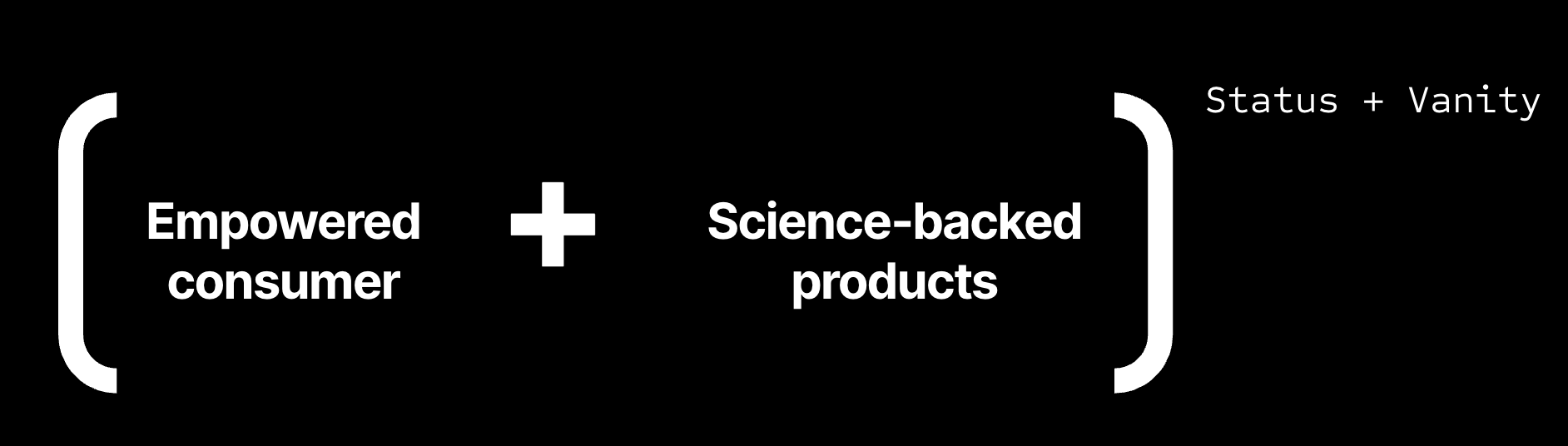
Status and vanity drive decision-making, loyalty, and willingness to pay. Wellness has become a vehicle for both — the WHOOP on your wrist, the supplement stack on your counter, the sleep score you screenshot. When health becomes identity, the economics follow.
Innovation is accelerating — science-driven skincare, clinically backed supplements, and novel therapeutics are moving faster to meet demand. Biotech is finding faster paths to market through consumer products. The gap between lab and shelf is closing, and the companies that bridge it will define the next decade.
At Listen, we… listen until intellectual curiosity becomes investment conviction. Here’s a glimpse into what we’re seeing start to tip in consumer health and wellness this year:
As food takes on a more functional role in health, consumers are rethinking not just what they eat, but what food does for them. With GLP-1s entering the mainstream and reshaping appetite and satiety, we’re seeing a growing focus on food efficiency — a move toward foods that deliver more bang for their caloric buck (e.g., grams of protein per calorie). And, when they’re not adding to their plates, they’re fortifying what’s already on them — layering in powders and supplements to upgrade everyday meals and beverages into more functional, outcome-driven experiences.
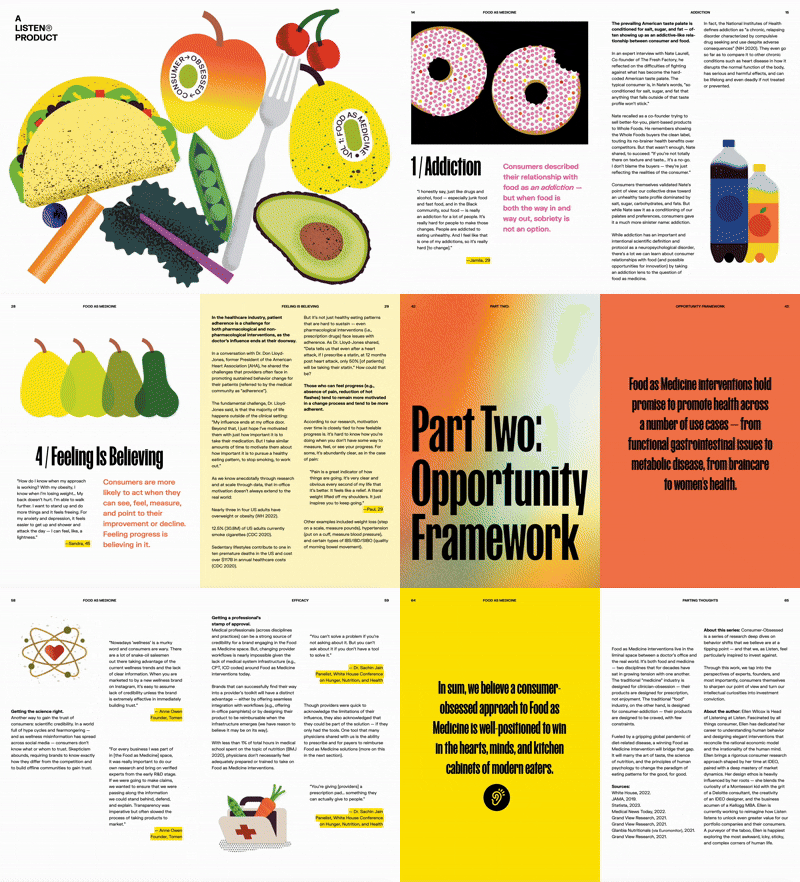
Our POV is grounded in proprietary listening: Food as Medicine, a deep-dive into the pantries, fridges, and freezers of consumers across the US to unpack consumers’ relationships with food and the promise and challenges associated with using Food as Medicine, or a nutrition-first approach to wellness.
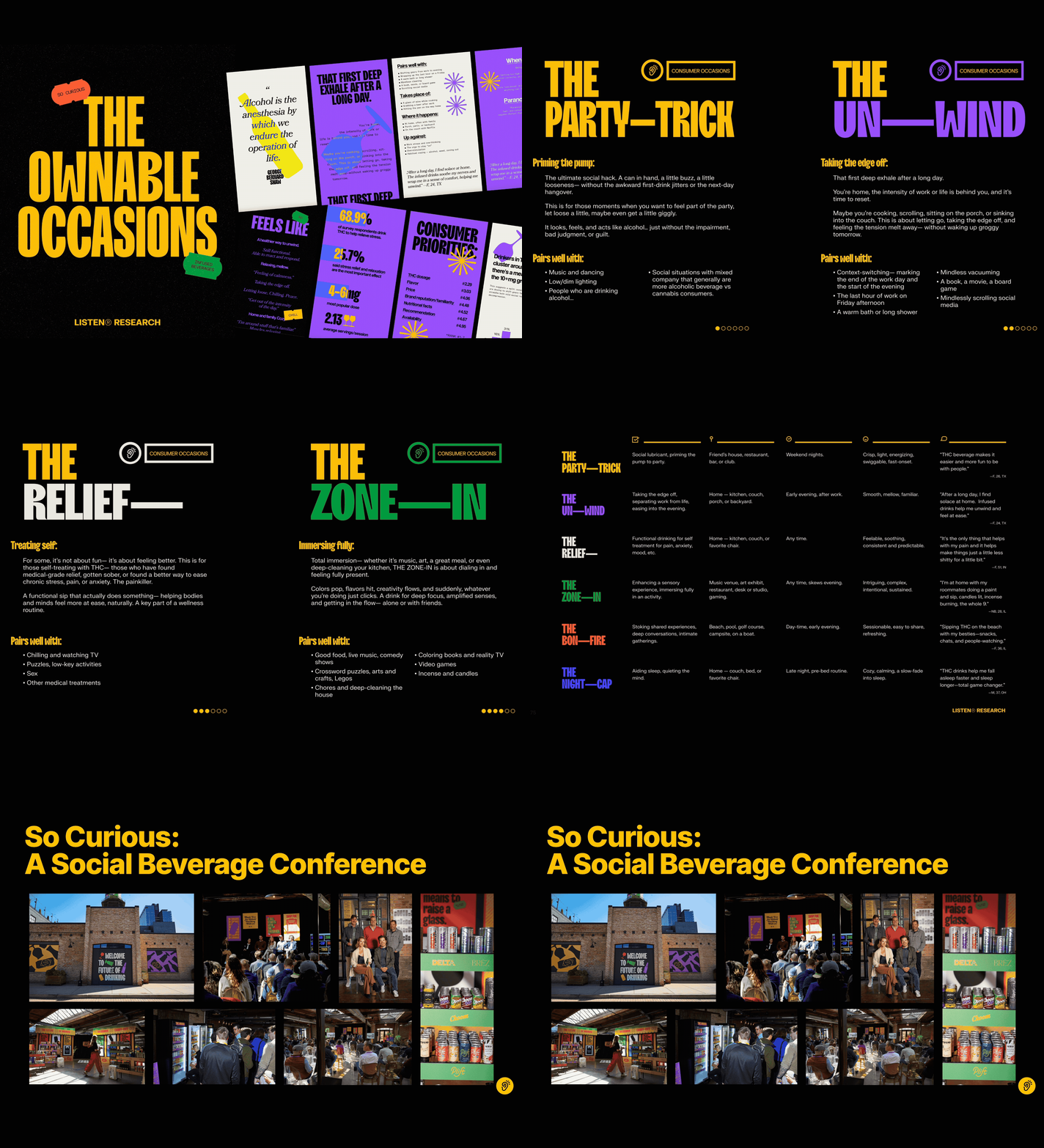
In late 2023, we observed the move away from alcohol evolving into a movement toward something new: functional feelability. Consumers aren’t just abstaining from alcohol — they’re seeking beverages that deliver a tangible effect. THC, kava, kanna, kratom, ketones, and a slew of other active ingredients offer a broad menu of formulations all delivering a real, felt effect. This is giving rise to a new category of social beverages that don’t just replicate alcohol’s rituals, but expand them — unlocking entirely new occasions and use cases. We’re excited about brands that are defining these “ownable occasions” and building around how people want to feel, not just what they want to drink.
Our POV is grounded in proprietary listening: Ownable Occasions, an exploration of how alcohol’s long-held role in social and personal rituals is being unbundled — informed by research with 600+ hemp-derived THC beverage drinkers, we unpack the rise of functional feelability, the shift toward drinks that deliver against specific “jobs,” and the emergence of new, ownable occasions built around desired effect.
The new era of supplementation is here, driven by the collision of two forces: a more empowered consumer and a more accelerated scientific pipeline. Armed with access to data, diagnostics, and therapeutics, consumers are taking health into their own hands — just as biotech innovation, powered by AI, is reaching the market faster and increasingly through consumer channels. This is shifting the supplements category from passive routines built on a promise to measurable, outcome-driven protocols. And as consumers can now track, see, and feel results, they’re raising the bar — putting pressure on a $70B industry long built on belief more than proof.

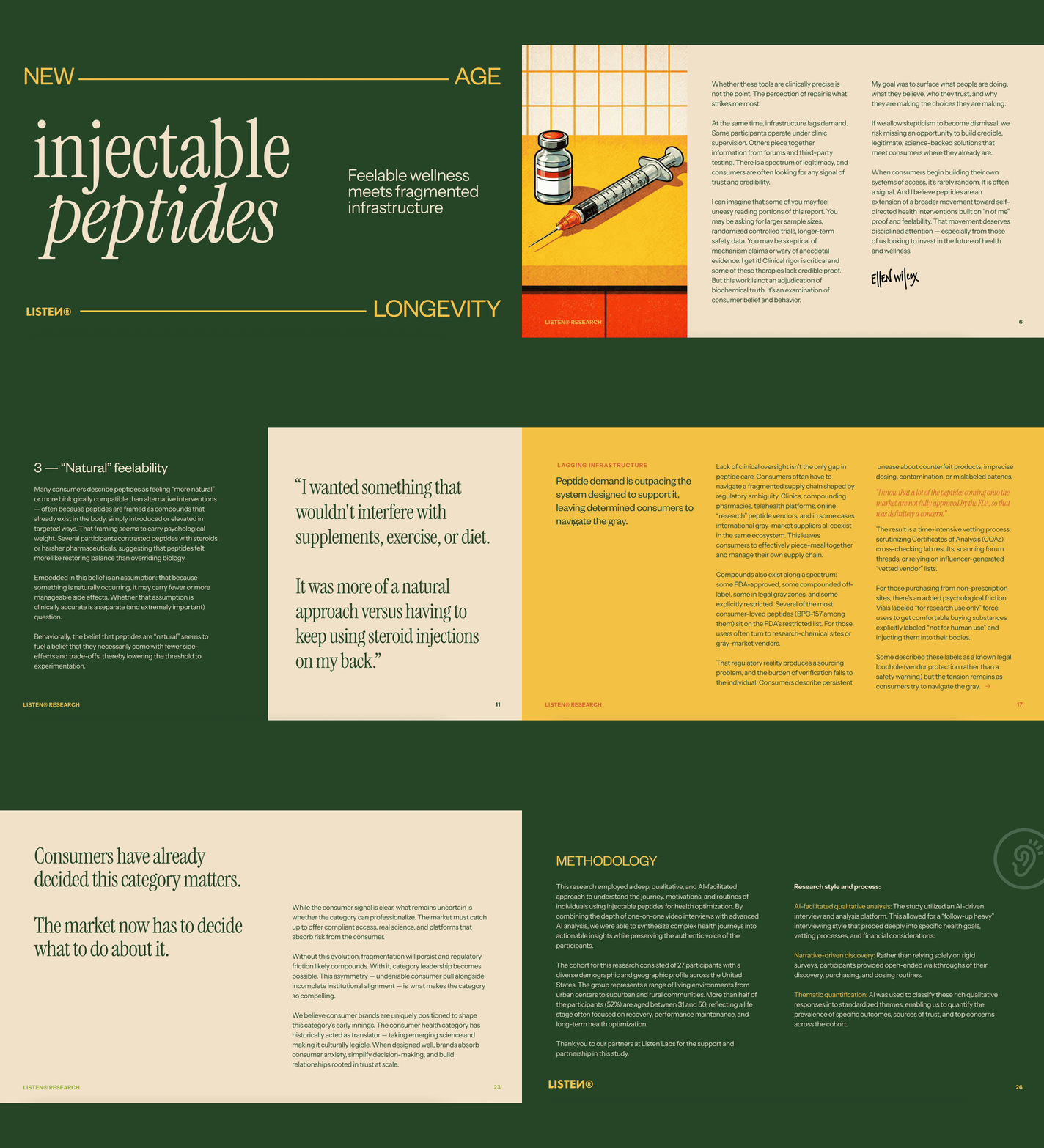
Aging is no longer reserved for the old. It’s become an active, ongoing effort, fueling a broader longevity movement. While GLP-1s dominate headlines, peptides like BPC-157, TB-500, and CJC-1295 have emerged as part of a new class of interventions aimed at repair and recovery: signaling molecules that trigger tissue repair, immune modulation, and metabolic change, often with effects users report feeling in days, not months. Many are bioidentical and perceived as more “natural” than traditional pharmaceuticals, accelerating their adoption through consumer channels. As delivery mechanisms evolve beyond injections, peptides are becoming an early and visible entry point into a new model of aging — one defined by continuous, self-directed intervention.
Our POV is grounded in proprietary listening: NEW—AGE Longevity: Peptides, an exploration of the emerging world of peptides through both the consumer and clinical lens — unpacking why these compounds are gaining traction as a new class of “natural” interventions, the promises they hold around optimization and repair, and the questions, tensions, and barriers that shape their adoption in modern care and self-experimentation.
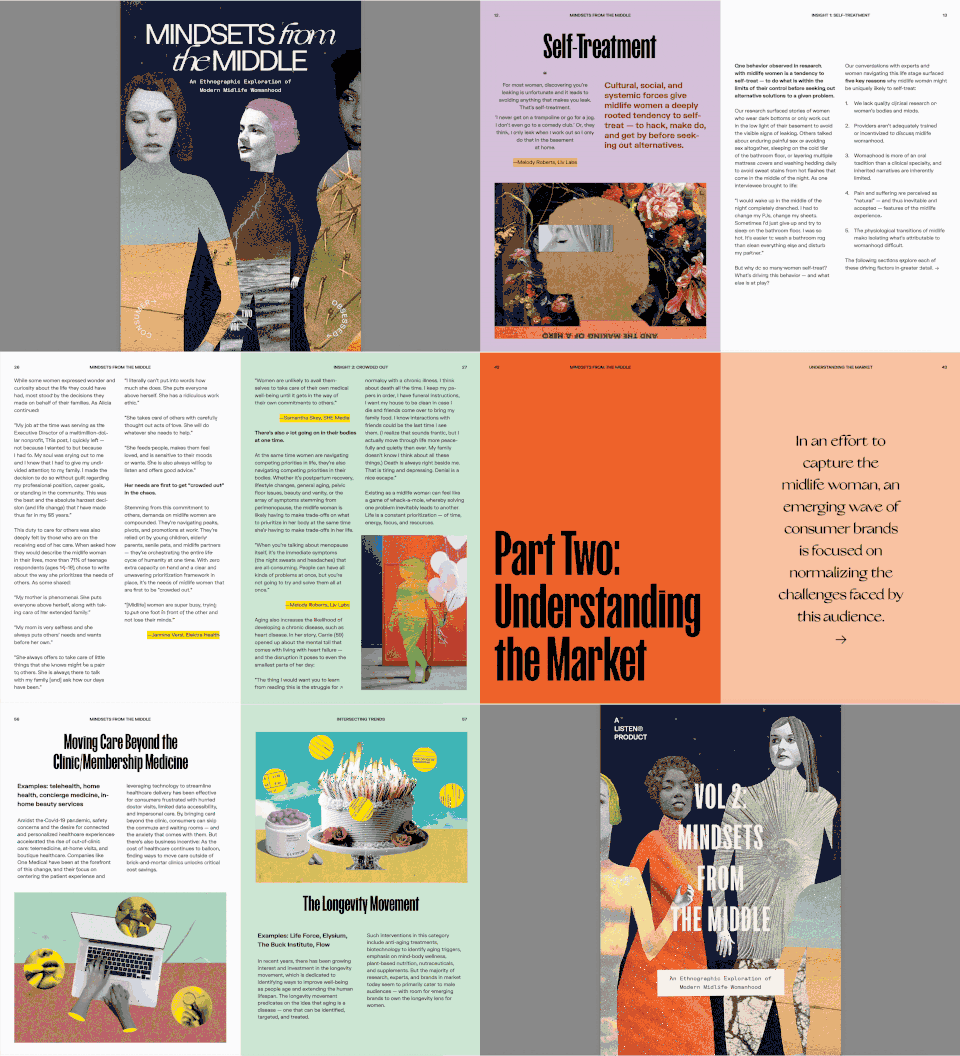
‘Midlife’ is a complex, overlapping set of life transitions, often spanning fertility and reproduction, career milestones, caregiving multiple generations of dependents, perimenopause and menopause, and more. Women navigate these phases simultaneously, often while managing their own health in the background — driving demand for more integrated, lifecycle-aware solutions that reflect the reality of this life stage. This is catalyzing a shift toward more proactive, personalized approaches to hormonal, metabolic, familial, and emotional health — and creating opportunities for platforms that support women across the full continuum, not just isolated moments.
Our POV is grounded in proprietary listening: Mindsets from the Middle, an exploration of modern midlife womanhood — the mindsets that seem to drive behavior in this life stage and the barriers that seem to get in the way of women being, staying, and feeling ‘well’ in midlife.
Jeff, Rick & Ellen